
Overview / Mark T.'s Rapid Capture After an ATM Skimming Scheme
Mark T.'s Rapid Capture After an ATM Skimming Scheme
Mark T. thought he could easily profit from buying cloned debit cards on the darknet. Within 15 days, he was arrested and sentenced to five years in prison.
A comprehensive resource for ex…- Date:
- Last updated: 2026-10-18
- 6 minutes
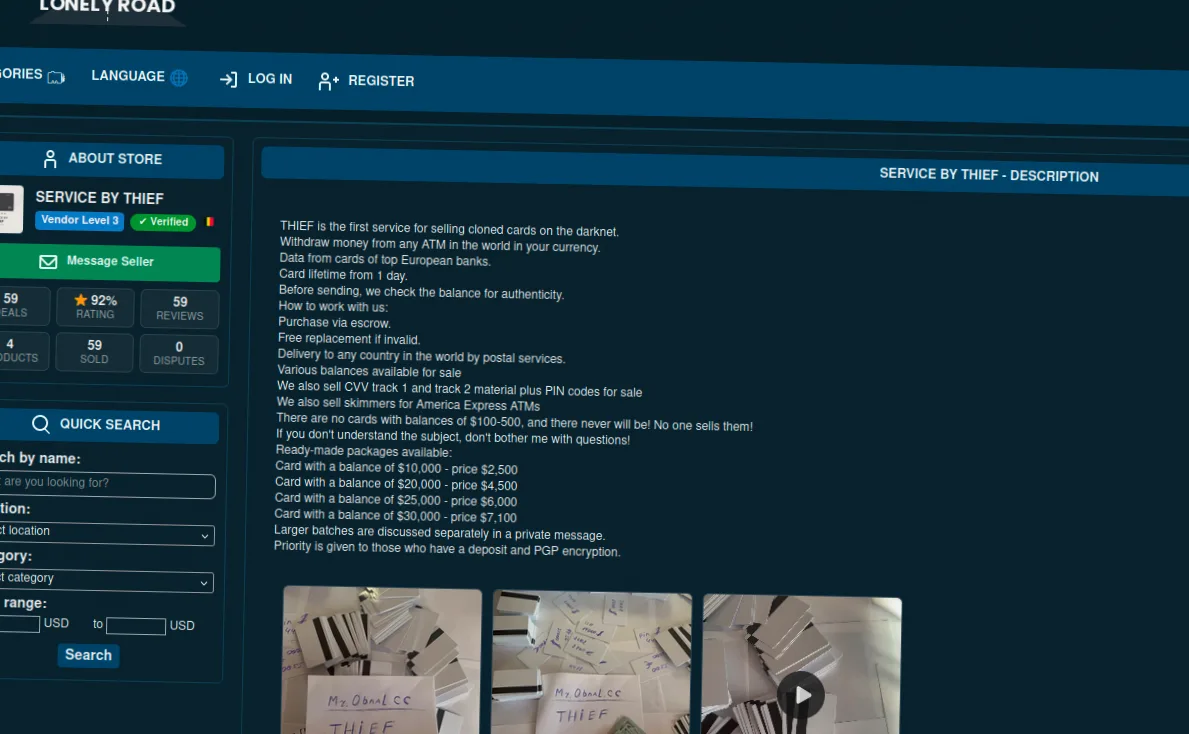
In November 2024, a 34-year-old named Mark T. from Tampa Bay, Florida, took a dangerous gamble. He acquired cloned debit cards through the dark web, seeking easy cash. His scheme quickly fell apart, exposing the intricate nature of carding and the advanced tracking capabilities of contemporary ATMs. Within 15 days, Mark faced arrest as law enforcement caught up with him.
1. Mark's Decision
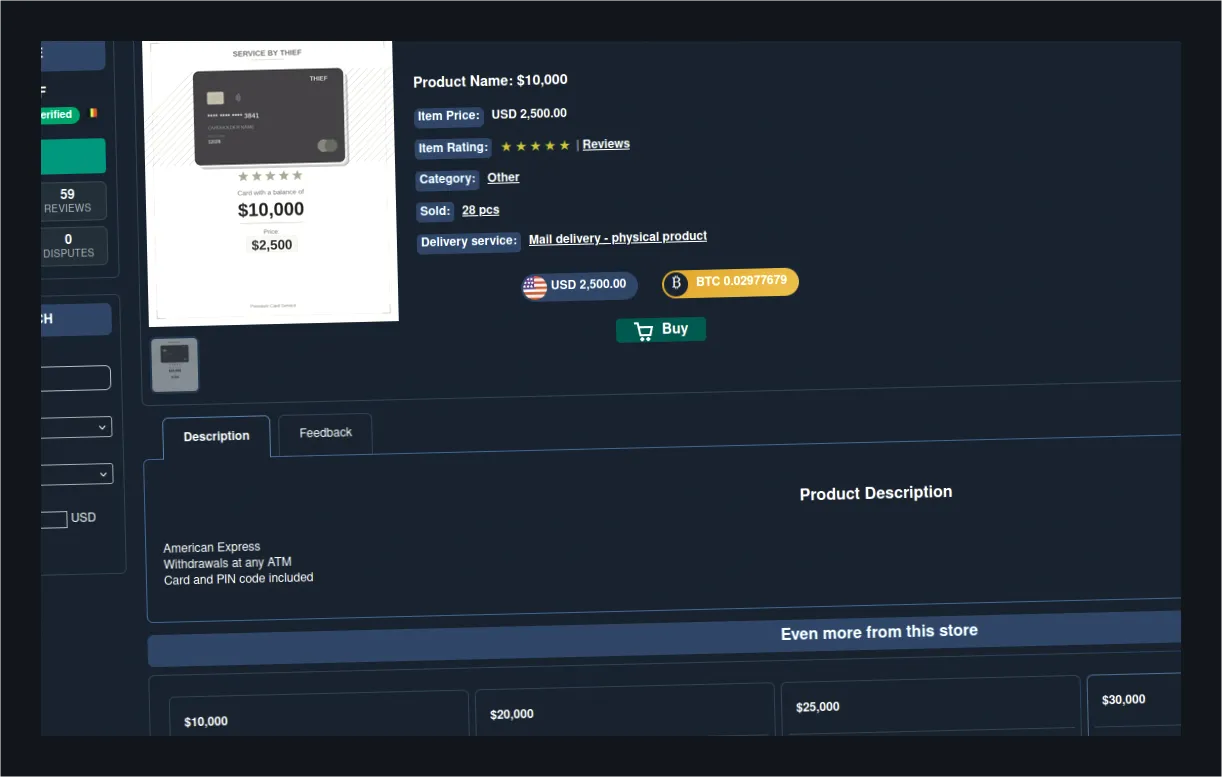
Mark invested $480 in cryptocurrency to purchase six fraudulent debit cards. He sourced these cards from a darknet platform, ensuring his anonymity by using Monero for payment. Each card contained stolen banking information, common in carding schemes.
Upon using the cards at various ATMs, he successfully took out $4,200 from the first three machines. Unfortunately, his luck changed at the fourth ATM. This machine not only dispensed an extra $700 but also recorded his image. This highlights an essential aspect of carding: the reliance on technology that extends beyond simple cash extraction.
2. Understanding Carding
Carding is the illegal gathering and manipulation of financial data. This fraudulent scheme generally progresses through a series of defined steps:
Data Acquisition: Offenders gather magnetic card details using skimmers, hacking incidents, or illicit transactions on dark web sites.
Card Creation: This pilfered data is transferred onto blank cards that resemble genuine ones.
PIN Access: If someone’s PIN is compromised, it creates an opportunity for the thief to access cash.
Withdrawal Process: The criminal withdraws funds from ATMs before the victim even realises anything is wrong.
Funds Laundering: Often, withdrawn cash is traded for cryptocurrency, making tracking difficult.
Mark thought he had effectively hidden his transactions with cryptocurrency. He failed to consider that ATMs serve as reliable surveillance tools.
3. The Technology Behind ATMs
Mark had no idea that today’s ATMs operate as sophisticated observation devices. Here’s what you often encounter within an ATM:
Integrated Camera: Captures high-definition footage, frequently with night vision.
Concealed Camera: This secondary camera records from alternate angles, usually out of sight.
Activity Records: Each transaction is thoroughly documented, detailing the time, amount, and card specifics.
Location Tracking: The ATM shares its whereabouts with the bank.
Connection Logs: These keep track of data related to network connections and requests sent to the bank.
During his recent cash withdrawal, Mark’s face was clearly filmed without any attempt at disguise. This instance highlighted how quickly anonymity can disappear with advanced technology.
4. The Investigation Process
The investigation unfolded rapidly following reports of fraudulent transactions. Here’s a concise overview of the pivotal moments:
Reports of unauthorised withdrawals from three individuals in Florida, Georgia, and North Carolina emerged on Day 1 in November 2024. The banks took swift action by blocking the affected cards and starting investigations.
Day 3: The fraud detection systems of the banks identified a troubling trend in the withdrawals, leading to a formal investigation.
On Day 5, the investigation of financial crimes was taken over by the U.S. Secret Service. They sought ATM records and surveillance videos.
Day 8: An ATM video showed a suspect named Mark, whose identity was confirmed through state documentation.
Day 12: A warrant was secured by investigators to analyze Mark's online behavior, uncovering links to cryptocurrency dealings.
During a search warrant execution on Day 14, law enforcement uncovered $3,200 in cash, a laptop indicating his online activities, a magnetic stripe reader/writer, and six blank plastic cards at Mark's home.
Day 15: Mark was apprehended and admitted to his participation during questioning.
This timeline underscores the effectiveness of modern technology in facilitating swift law enforcement responses.
5. The Consequences
Mark withdrew $4,900 in total prior to his arrest, spending $480 to acquire fraudulent cards. The essential information is summarised below:
Withdrawals: 4
Total Amount Withdrawn: $4,900
Card Purchase Cost: $480
Days from Withdrawal to Arrest: 15
Prison Sentence: 5 years
Financial Penalties: $22,000
Post-Release Supervision: 3 years
This scenario illustrates how a seemingly minor action can result in significant repercussions. Mark's decisions led to incarceration and heavy financial burdens.
Mark made his card purchase on a darknet marketplace, a risky decision that led to his downfall and arrest.
6. The Role of Cryptocurrency
Mark opted to use Monero, known for its supposed anonymity, to pay for the cloned cards. However, the investigation revealed a critical flaw in his approach:
Centralised Exchange: To obtain Monero, Mark went through a KYC-verified exchange. This linked his identity to the crypto transactions, ultimately leading investigators back to him.
Timing: The purchase of cryptocurrency, order of cards, and cash withdrawals occurred within a short time frame, establishing a connection.
Physical Evidence: The items seized from his home, including cloned cards and cash, provided irrefutable evidence, showcasing that digital anonymity can be easily countered by physical traces.
Video Recordings: The footage from the ATM was undeniable evidence of his presence at the crime scene, reinforcing the case against him.
7. Mistakes Made
Mark made several critical errors, highlighting weaknesses in his approach to a crime he thought would escape detection. Here are the main mistakes:
Geographic Limitations: His activities were confined to a 40-mile radius, raising immediate suspicions.
No Disguise: He was easily identifiable in the footage, leading to quick recognition.
KYC Issues: Using a central exchange linked him directly to the cryptocurrency transactions.
Incriminating Evidence Storage: Keeping cloning devices at home facilitated their discovery by the police.
Cash Found: The cash seized corresponded with the amounts withdrawn from the ATMs, strengthening the case against him.
Fast Withdrawals: The rapid series of transactions drew attention, ultimately resulting in his arrest.
These errors significantly assisted law enforcement in capturing Mark, underscoring the need for caution in unlawful activities.
8. Takeaways for Security Professionals
Mark's case illustrates how security systems effectively counter carding attempts. Professionals should consider the following insights:
Anti-Fraud Technology: Banks utilise advanced systems for pattern recognition and fraud detection, which can flag suspicious activity before manual checks occur.
Integration of Forensics: Both digital logs and physical evidence work in tandem to build a strong case in investigations. Each piece of data enhances the understanding of the crime.
Cryptocurrency Limitations: The belief that cryptocurrencies ensure anonymity is a misconception. KYC processes create links between identity and transactions.
Customer Awareness: Educating customers about promptly reporting fraud can significantly reduce losses and improve the efficacy of these systems.
9. The Final Judgment
In March 2025, Mark T. encountered significant legal consequences for his actions. In March 2025, charges related to fraud and money laundering were accepted by him. The U.S. District Court for the Middle District of Florida imposed penalties.
Prison Time: 60 months in federal prison
Supervision Post-Release: 3 years following his prison term
Mark T. received a sentence that included a $22,000 fine and compensation for the victims.
The judge remarked that Mark was not the primary architect of the scheme. He acted as the visible participant, executing the final phase of the operation. This case underscores the ongoing challenges in securing justice in cybercrime, where the true masterminds often evade responsibility.
Understanding the Risks of Carding
Mark's story serves as a cautionary tale of how quickly cybercriminals can fall into a trap. The combination of modern technology and investigative techniques proves to be a formidable barrier against illicit activities. For aspiring criminals, it's a stark reminder that anonymity is a fragile facade that can be easily shattered.
Sources
- 1. Hidden in Plain Swipe: Detectives Dismantle Credit Card Skimming Operation – Fairfax County Police Department News
- 2. Repeat Offender Sentenced To 54 Months In Federal Prison For ATM Skimming Scheme | United States Secret Service
- 3. Archived: 6 Charged in Multistate ATM and Retail Skimming Conspiracy After HSI Investigation | ICE
See also
 Google Dark Web Search: What You Need to KnowDiscover how Google interacts with the dark web and what you need to know about dark web search engines.
 Deep Search Dark Web: Techniques for SuccessDiscover techniques for deep search on the dark web to uncover hidden information and enhance your research effectiveness.
 Dark Web Video Search: Finding Hidden ContentExplore dark web video search methods to uncover hidden content and learn how to navigate secure platforms effectively.
 Excavator Link Onion: How to Access Hidden ContentDiscover how to access hidden content using the Excavator link onion. Learn practical steps for safe browsing in the dark web.