
Overview / Dark Web Video Search: Finding Hidden Content
Dark Web Video Search: Finding Hidden Content
Dark web video search reveals content not indexed by traditional engines. Discover methods to access and explore these hidden video resources.
A comprehensive resource for ex…- Date:
- Last updated: 2026-10-18
- 10 minutes

Dark web video search involves locating multimedia files hidden within onion services using specialized search tools like Ahmia, though actual streaming is severely restricted by Tor architecture constraints [1, 4]. You must navigate significant bandwidth limits, frequent link decay, and strict content filters [2, 4, 10].
The Reality of Video Content on the Dark Web
Video streaming on the dark web is exceptionally rare. This scarcity arises from the inherent limitations of the Tor network. Tor's architecture routes encrypted traffic through multiple volunteer relays. This process creates significant latency and bandwidth restrictions, making high-quality video broadcasting nearly impossible (1).
The bandwidth limitations are severe. For instance, real-time video streaming requires a consistent and high-speed connection. However, studies indicate that only about 1.5% to 3% of Tor network traffic involves browsing dark web onion sites (2). This suggests that the vast majority of users are not engaged in video content consumption.
Common misconceptions often emerge from sensationalist media portrayals. Many people believe that dark web platforms host interactive streams, such as ‘red rooms’. Cybersecurity analysts assert that such concepts are technically implausible on the Tor network due to its bandwidth constraints (1).
While some hidden services do offer video content, they are often of low quality and suffer from frequent link decay. Users frequently encounter broken links or offline media (3). This volatility necessitates reliance on community directories or active forums for updated URLs.
To navigate safely, it is recommended to configure the Tor Browser's security settings. Setting the security slider to ‘Safer’ or ‘Safest’ disables JavaScript, reducing the risk of browser fingerprinting exploits (3). Furthermore, using isolated operating systems like Tails OS can help prevent data leaks when handling untrusted files (3).
Understanding these realities is crucial for anyone searching for video content on the dark web. This knowledge helps avoid the pitfalls associated with sensationalist narratives and guides effective exploration strategies.
How Dark Web Search Engines Handle Media Files
Dark web search engines like Ahmia and Torch focus primarily on indexing text-based content. This emphasis creates significant challenges for handling media files, including videos. The technical constraints of onion indexing impact how these engines manage video content.
Onion indexing relies on scraping and storing metadata from onion services. However, conventional video formats are often large and require substantial bandwidth. The average video file can range from several megabytes to gigabytes in size. Due to the Tor network's architecture, which routes encrypted traffic through multiple relays, bandwidth limitations become apparent. High-quality video streaming demands a stable and fast connection, which is incompatible with Tor's design (1).
Additionally, many dark web search engines, like Ahmia, implement content filtering policies. For instance, Ahmia blocks sexually explicit material to mitigate the prevalence of illicit content on the network (4). This further limits the types of video content that can be indexed and accessed.
The ephemeral nature of hidden services presents another challenge. Dark web media links frequently break or go offline, making it hard to maintain a comprehensive index of video content. Users often find themselves relying on community directories or forums to locate updated URLs (3).
In summary, the combination of bandwidth limitations, content filtering, and link volatility makes it difficult for dark web search engines to effectively host or index media files. Understanding these constraints can help you manage expectations when searching for video content on the dark web.
Using Specialized Onion Directories for Media
Locating media content on the dark web requires navigating specialized onion directories. These directories can help you find links to hidden media, but caution is essential to avoid malicious sites.
Trusted Onion Directories
Ahmia is a notable resource for discovering onion services. Launched in 2014, it indexes various hidden sites, making it easier for users to find content (4). However, Ahmia has implemented strict content filtering policies, blocking sexually explicit material and some illicit files (4). This focus on safety makes it a reliable starting point for searching media.
Another option is the Torch search engine, which supports a broader range of content. With its extensive index, it helps users locate various onion services, including those with media links. Keep in mind that the quality of content may vary significantly.
Identifying Safe Links
When exploring onion directories, ensure you verify links before clicking. Look for PGP signatures or user feedback in forums. Community-driven platforms often have updated information about the reliability of links. This verification step is vital, as many links can lead to phishing traps or scams (4).
Security Measures
To enhance your safety while browsing, configure the Tor Browser's security settings. Setting the security slider to ‘Safer’ or ‘Safest’ disables JavaScript, reducing the risk of browser fingerprinting (3). Additionally, consider using isolated operating systems like Tails OS when accessing untrusted files, as this can help prevent data leaks (3).
Dealing with Link Decay
Due to the ephemeral nature of hidden services, many media links may break or go offline frequently (3). Relying on community directories and active forums can provide you with updated URLs. Engaging with forums where users share current links can help mitigate the frustration of encountering dead ends.
By using these specialized onion directories and adhering to safety protocols, you can effectively navigate the dark web's media landscape.
Verifying .Onion Links Before Interacting with Media
Interacting with media on the dark web involves inherent risks, particularly concerning phishing and scams. It is crucial to verify .onion links before engaging with any content. Here’s a step-by-step guide to ensure safety.
Check the URL Structure
Examine the URL carefully. Authentic .onion links typically consist of 16 or 56 characters, ending with '.onion'. Be wary of links with unusual formats or additional characters. For example, a legitimate onion service might look like 'abc123def456.onion', while a phishing link may have extra digits or letters that don't conform to this pattern.
Use Trusted Directories
Utilising established onion directories can help verify link authenticity. Resources like Ahmia provide indexed content and can guide you to legitimate sites (4). However, always cross-check with other sources to ensure reliability. The presence of user reviews or community feedback can also indicate whether a link is trustworthy.
Verify PGP Signatures
If a site offers PGP signatures, use them to confirm authenticity. PGP (Pretty Good Privacy) encrypts messages and verifies the identity of senders. Ensure the signature matches the public key provided by the site. This step is vital, especially for media sources that require downloads or sensitive interactions.
Beware of Phishing Links
Phishing links are a significant threat on the dark web. Be cautious of links that redirect to login forms or require personal information. Use security-focused forums to gather insights about potential scams. Many users share experiences related to phishing attempts, helping you avoid similar pitfalls (4).
Configure Tor Browser Security
Adjust your Tor Browser security settings for enhanced safety. Setting the security slider to ‘Safer’ or ‘Safest’ disables JavaScript, reducing the risk of browser fingerprinting and other exploits (3). This configuration is especially important when interacting with unknown .onion sites.
Monitor for Link Decay
Hidden services often experience link decay, meaning URLs can become inactive quickly (3). Stay updated by engaging with community forums or directories that provide current links. This proactive approach can save you time and frustration, keeping your exploration efficient.
By following these verification techniques, you can interact with media on the dark web more safely. Always remain vigilant and informed to navigate this complex environment effectively.
Safety Protocols for Accessing Dark Web Media
Accessing media on the dark web requires a strong focus on security. You must implement specific safety measures to protect your device and personal information. Here are actionable protocols to follow when dealing with downloadable files or streaming attempts.
Disable JavaScript
Start by configuring the Tor Browser's security settings. Set the security slider to ‘Safer’ or ‘Safest’. This action disables JavaScript, significantly reducing the risk of browser fingerprinting and other exploits (3). JavaScript can execute harmful code without your knowledge, making this step critical.
Avoid Unsafe Media Players
Be cautious about the media players you use. Some players may execute arbitrary code when handling files. Stick to trusted software known for security. If unsure, avoid downloading media files altogether. Use only well-reviewed and community-endorsed players to mitigate risks.
Never Download Unknown Files
Downloading files from unknown sources poses significant risks. Unverified files may contain malware or other harmful content. Always avoid downloading anything unless you can confirm its safety. Look for user reviews or community feedback before proceeding. If a file seems suspicious, it’s best to skip it.
Use Isolated Operating Systems
Consider using privacy-focused operating systems like Tails OS when accessing untrusted media. Tails runs from a USB stick and leaves no trace on your host machine (3). This isolation helps prevent data leaks and protects your privacy, especially when dealing with potentially harmful files.
Be Wary of Phishing Links
Phishing is a prevalent threat on the dark web. Always verify links before clicking. Look for PGP signatures or user feedback in forums to ensure a link's authenticity (4). Avoid links that require personal information or redirect to login forms, as these are often traps.
Regularly Monitor for Link Decay
Hidden services can be ephemeral, meaning links may break or go offline frequently (3). Stay informed by engaging with community directories or forums for updated URLs. This proactive approach can save you time and frustration, helping you maintain a smooth experience while exploring.
By adhering to these safety protocols, you can navigate dark web media more securely. Always stay vigilant and informed to protect yourself in this complex environment.
Fact-Checking Common Dark Web Video Myths
Several myths surround video content on the dark web. Understanding these misconceptions is crucial for safe and effective exploration.
Myth 1: Instant Video Search Capabilities Exist
Many believe that dark web search engines provide immediate access to video content. In reality, video streaming on the dark web is severely limited. The Tor network's architecture creates bandwidth restrictions due to its design, which routes traffic through multiple volunteer relays. This results in significant latency, making high-quality video streaming impractical (1). Users often find that video links are either slow to load or unresponsive.
Myth 2: Hidden Video Databases Are Readily Available
Some users assume that vast databases of hidden videos exist on the dark web. While public dark web indexes like Haystak boast extensive collections, they primarily index text-based content. Video files, which are large and require substantial bandwidth, are not effectively indexed by these engines (5). This limitation means that many videos remain unindexed and difficult to locate.
Myth 3: 'Red Rooms' Are Common
The notion of 'red rooms', where live interactive torture streams are purportedly broadcast, is a sensational myth. Cybersecurity analysts and law enforcement agencies have consistently highlighted that such streams are technically implausible on the Tor network. The bandwidth constraints make it nearly impossible to support such content, and no verified documentation exists to support these claims (1).
Myth 4: All Dark Web Content Is Illegal
While illegal activities do occur on the dark web, not all content is unlawful. Legal boundaries remain unchanged; any illegal activity offline is also illegal online (6). Users can find legal content, though it may require careful searching and verification.
Conclusion
Understanding these myths helps you navigate the dark web more effectively. By recognising the limitations of video content access and the nature of available resources, you can approach your search with realistic expectations. Always use caution and verify sources to ensure a safe experience in this complex environment.
Dark Web Video Search: Technical Breakdown and Myth-Busting Checklist
| Aspect | Surface Web Requirements | Tor Network Capacity | Myth-Busting Checklist |
|---|---|---|---|
| Bandwidth for Streaming | High (5-25 Mbps) | Limited (depends on relay load) | 1. Instant video access is a myth. |
| Content Availability | Extensive databases | Limited indexing (mostly text) | 2. 'Red rooms' are technically implausible. |
| Latency Issues | Low latency | High latency (due to routing) | 3. Not all dark web content is illegal. |
| User Experience | Stable connections | Frequent link decay (depends on service) | 4. Hidden video databases are not readily available. |
Final Takeaways
Set your browser security slider to ‘Safer’ or ‘Safest’ to disable JavaScript and prevent browser fingerprinting (3).
Cross-check addresses with community directories and verify PGP signatures before opening any media file (4).
Expect severe bandwidth limitations and high latency because the Tor network routes traffic through multiple volunteer relays (1).
Avoid downloading unknown files or using unsafe media players to protect your device from hidden malware.
To expand your technical knowledge on locating visual files within the hidden network, read the Deep Web Picture Search: Finding Visual Content.
Evidence and sources
See also
 Deep Web Picture Search: Finding Visual ContentDiscover how to conduct deep web picture searches effectively to uncover hidden visual content while maintaining your anonymity.
 Link Search Deep Web: Finding Hidden ResourcesDiscover effective methods for link search deep web to access hidden resources safely and securely.
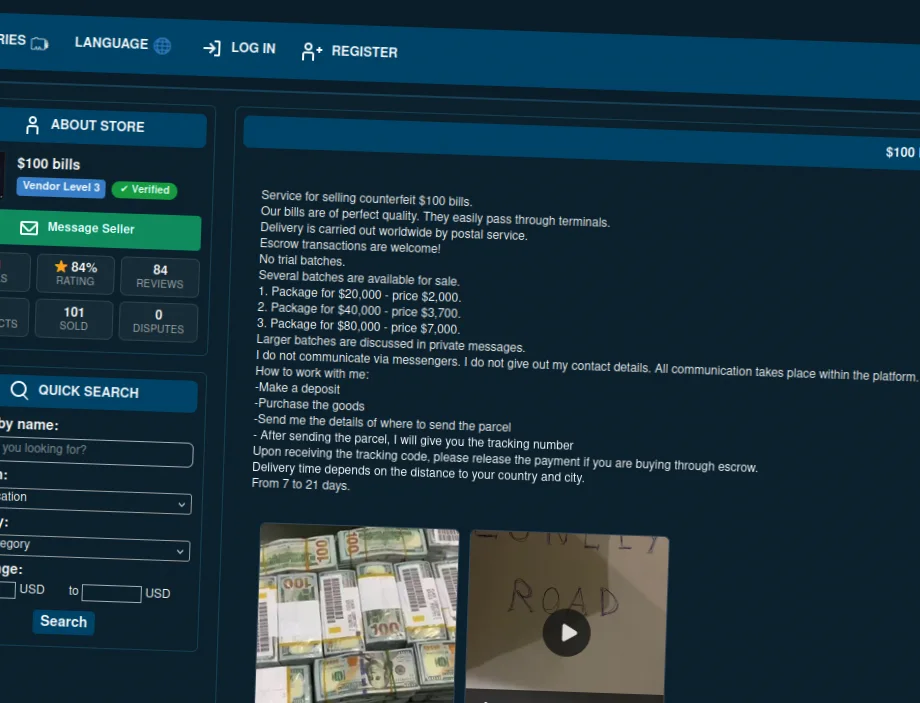 Derek H.'s Dark Web Dream: How Counterfeit Cash Led to ArrestLearn how a Denver resident failed to launder darknet currency through ATMs and faced federal arrest in this security breakdown.
 Onion Search Engine List: Resources for ExplorationExplore a curated list of onion search engines for anonymous browsing on the dark web. Find reliable resources to enhance your exploration.