
Overview / Deep Web Picture Search: Finding Visual Content
Deep Web Picture Search: Finding Visual Content
Deep web picture search allows you to find visual content not indexed by standard search engines, using specialised tools and techniques.
A comprehensive resource for ex…- Date:
- Last updated: 2026-10-18
- 8 minutes
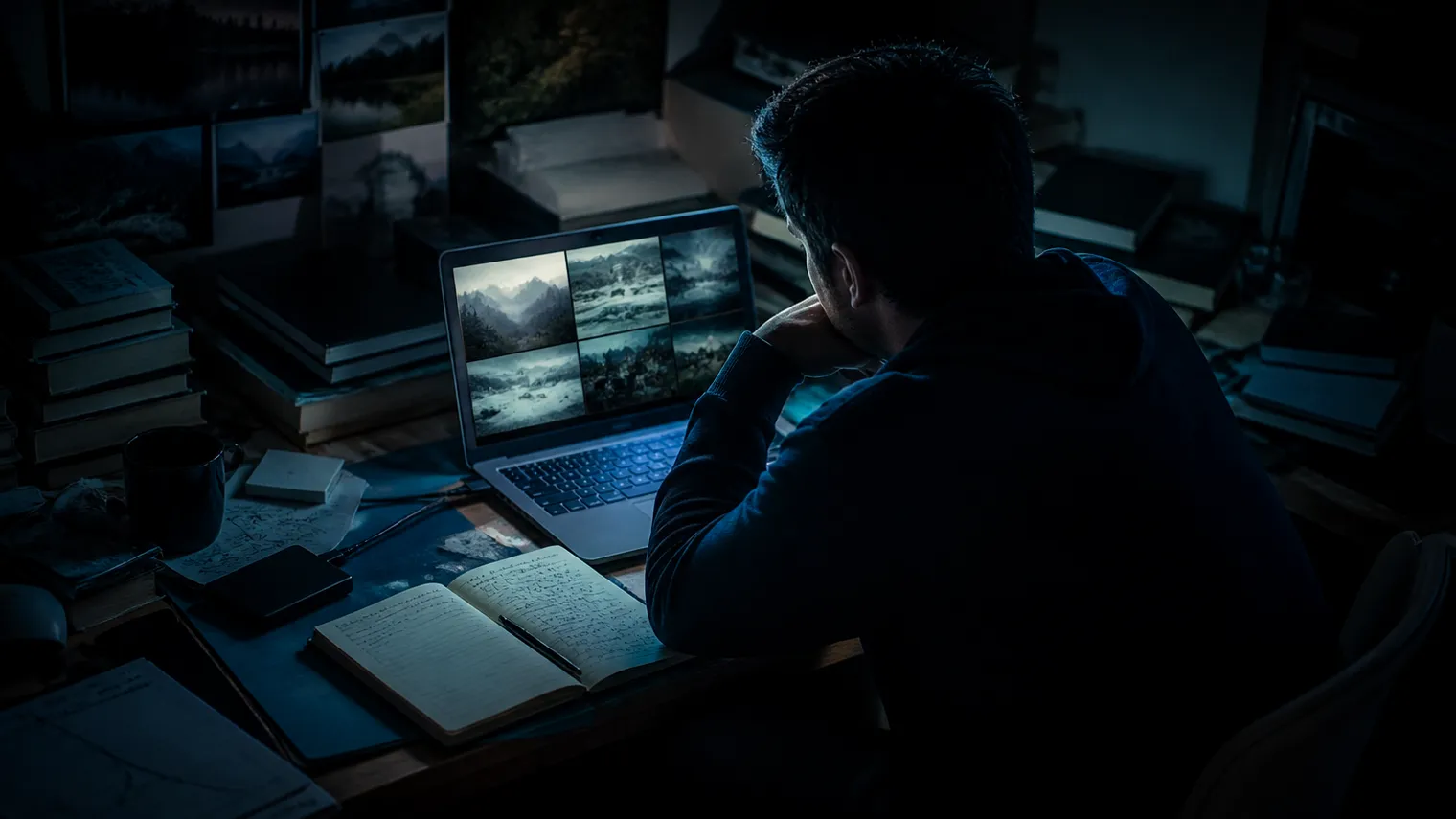
Performing a deep web picture search involves using specialized dark web search engines because traditional tools cannot index hidden services [1, 2]. You must route your traffic through the Tor Browser to resolve .onion addresses safely (1). True native reverse image search for raw dark web visual content remains practically nonexistent due to shifting links and a lack of deep visual indexing (2).
Understanding Deep Web and Dark Web Image Search Limitations
Traditional surface web reverse image search tools struggle with deep web images for several reasons. Most notably, these tools cannot crawl or index .onion sites. This limitation arises because .onion addresses do not resolve through the standard DNS system. You must use specialised software like the Tor Browser to access these hidden services (1).
Dark web search engines operate differently than conventional ones. They rely on hidden services that explicitly permit crawlers to scan their content. Unlike surface web search engines, which follow links and use sitemaps, dark web search engines have a more limited scope (3). This makes it challenging to locate images that are unindexed or hosted on platforms that do not allow crawling.
The lack of true reverse image search functionality for .onion content is another significant barrier. This is due to the absence of deep visual indexing and the high rate of volatile, shifting links. When an image is uploaded, it may quickly become inaccessible as the hosting service changes (2).
Password-protected or unindexed visual content presents additional technical challenges. These types of content require authentication, which standard crawling techniques cannot bypass. Many deep web databases are also dynamic, meaning they change frequently, making it difficult for search engines to keep up with the latest visual content.
For researchers seeking images, it is crucial to use specific tools designed for deep web searches. Ahmia is one such tool, focusing on public onion services while filtering out illicit material (4). However, unfiltered search engines like Torch provide broader access but come with increased risks, including malicious links and downloads (5).
Remember to maintain your anonymity while browsing. Avoid using personal devices without proper isolation. This can expose your real IP address and system information (4). Always be cautious of enabling JavaScript on search tools that span multiple networks, as this can heighten vulnerability to attacks (6).
Understanding these limitations is essential for effective deep web picture searches. It helps you navigate the complexities of finding visual content while maintaining your privacy.
Using Specialized Search Engines for Hidden Visual Content
Specialised search engines are essential for finding hidden visual content on the deep web. Tools like Ahmia and Torch cater to different needs, and understanding their functionalities helps streamline your search.
Ahmia focuses on public .onion services. It filters out illicit material, ensuring a safer browsing experience (4). This can be particularly useful for users concerned about compliance and safety. However, it may limit access to some resources. It indexes only those sites that permit crawling, which can reduce the number of available images.
Torch, on the other hand, offers a broader index of unfiltered hidden services. This means you can access a larger pool of visual content, but it comes with risks. Users may encounter malicious links or downloads. This is important to consider when conducting research, as unverified sources can lead to malware exposure (5).
When searching for images, you must consider how these engines handle metadata and file attachments. Many dark web search engines do not provide deep visual indexing, making it difficult to find specific images. True reverse image search functionality is nearly non-existent for .onion content, largely due to the volatile nature of links and the absence of archival systems (2).
Directory listings can be a mixed bag. They may contain links to visual content but often lack detailed metadata. This can make it challenging to verify the authenticity of an image. Direct URL scraping can yield results but is often unreliable. The content may disappear quickly, or the link may lead to an empty page.
For effective searches, you should use a combination of these tools. Start with Ahmia for a safer experience, then explore Torch for broader access. Always prioritise anonymity by using the Tor Browser and avoiding personal devices without isolation (4). This approach helps maintain your privacy while navigating the complexities of deep web picture searches.
Applying OSINT Techniques for Dark Web Image Investigation
Investigating images on the dark web requires a systematic approach. You can employ several Open Source Intelligence (OSINT) techniques to enhance your investigation. Here’s how to analyse image metadata, use hashing, and cross-reference visual assets effectively.
Analyzing Image Metadata
Metadata, particularly EXIF data, can provide crucial information about an image. This data often includes details like camera settings, location, and timestamps. However, myths about EXIF data removal persist. Some believe that simply removing this data makes an image anonymous. In reality, while stripping EXIF data can help, it is not foolproof. Investigators should understand that advanced techniques can still recover or infer information from images even without EXIF data.
To analyse metadata, use tools such as ExifTool. This software can extract and display image metadata efficiently. Be cautious, as downloading images from unverified sources can expose you to malware (4). Always perform metadata analysis in a secure environment, ideally using virtual machines to isolate your activities.
Hashing Images for Tracking
Hashing is another effective method for tracking images across the dark web. By generating a unique hash for each image, you can create a digital fingerprint. This fingerprint facilitates the identification and tracking of images even if they are altered slightly. Tools like ImageMagick can help create hashes using various algorithms, such as MD5 or SHA-256.
When hashing, it's essential to note that even minor changes to an image will result in a completely different hash. This characteristic is useful for tracking original images but may complicate efforts to trace modified versions. Use hashing in conjunction with other methods for a more comprehensive approach.
Cross-Referencing Visual Assets
Cross-referencing images across restricted networks can be challenging. Since many dark web search engines do not index images deeply, you may need to rely on specific platforms. Use tools like Ahmia for safer searches, as it filters out illicit content (4). However, for broader access, consider unfiltered engines like Torch, keeping in mind the risks involved (5).
To cross-reference images, gather as much contextual information as possible. Look for unique identifiers, such as watermarks or logos, and verify their origins. This process may involve checking multiple sources or databases. Be prepared for the possibility that some images might be hosted on volatile links that change frequently.
By applying these OSINT techniques, you can enhance your capability to investigate dark web images effectively. Always prioritise your anonymity to protect your identity during these investigations.
Myth vs. Fact: Can You Do a Reverse Image Search on the Dark Web?
Many myths surround the capabilities of reverse image search on the dark web. One of the most common misconceptions is that there are instant, one-click tools that can perform 'dark web face recognition' or scan the entire dark web for images. This belief is misleading.
The dark web operates on different principles compared to the surface web. For starters, traditional search engines like Google cannot crawl .onion sites. These addresses do not resolve through the standard DNS system, requiring specific software like the Tor Browser to access them (1). This limitation means that many images remain unindexed and hidden from typical search methods.
Dark web search engines have their own constraints. They can only index hidden services that allow crawlers to scan them. Unlike surface web engines that follow links and use sitemaps, dark web engines face significant challenges in locating images that are not actively listed (3). As a result, true reverse image search functionality for .onion content is nearly non-existent. The lack of deep visual indexing combined with rapidly changing links makes it difficult to find specific images (2).
While some tools, such as Ahmia, focus on public .onion services, they filter out illicit materials, which may limit access to certain types of content (4). On the other hand, unfiltered search engines like Torch provide broader access but expose users to risks, including malicious links and downloads (5).
When conducting visual investigations on the dark web, it is crucial to maintain anonymity. Browsing from personal or corporate devices without proper isolation can expose real IP addresses or system fingerprints (4). Additionally, enabling JavaScript on certain search tools can increase vulnerability to attacks (6).
Understanding these realities is vital for anyone looking to perform a deep web picture search. There is no magical solution; instead, a methodical approach using the right tools and maintaining privacy is essential for success.
Deep Web Picture Search Verification Checklist
| Method | Description | Risks | Notes |
|---|---|---|---|
| Ahmia | Search tool for public .onion services | Filters out illicit content | Safer but limited access |
| Torch | Unfiltered search engine for hidden services | Higher risk of malicious links | Broader access but less safe |
| Image Metadata Analysis | Use EXIF data for insights | Risk of malware from unverified sources | Perform in a secure environment |
| Hashing Images | Create unique digital fingerprints | Minor changes alter hash completely | Combine with other methods for tracking |
| JavaScript Use | Enables functionality on some tools | Increases risk of de-anonymization | Avoid on sensitive searches |
| Device Isolation | Use virtual machines for browsing | Prevents exposure of real IP addresses | Essential for anonymity |
Summary and Next Steps
Remember to use Ahmia for safe searches and Torch for broader access while staying aware of malware risks [4, 5].
Always isolate your browsing environment with virtual machines to prevent real IP exposure (4).
Analyse image metadata carefully in secure sandboxes to avoid unverified executable downloads (4).
Combine digital fingerprint hashing and cross-referencing to track modified visual assets effectively.
To expand your investigative workflow into multimedia formats, read through the Dark Web Video Search: Finding Hidden Content.
Evidence and sources
See also
 Dark Web Video Search: Finding Hidden ContentExplore dark web video search methods to uncover hidden content and learn how to navigate secure platforms effectively.
 Onion Search Tor: Using Tor for Deep Web SearchesDiscover how to use Tor for deep web searches with onion search engines, enhancing your online anonymity and privacy.
 Top 10 Dark Web Search Engines: Our RecommendationsDiscover the top 10 dark web search engines to enhance your anonymity and explore the deep web safely and effectively.
 Onion Links Search Engines: A Comprehensive OverviewExplore top onion links search engines for safe navigation on the dark web. Discover how to access hidden resources anonymously.